.jpg)
.jpg)
.jpg)
Tallow for Perioral Dermatitis: Why Zero-Irritant Skincare Matters
If you've developed perioral dermatitis, you've likely been told something that sounds impossible: stop using all your skincare products. Just stop. Use nothing.
For most people, this advice feels counterintuitive and frankly frightening. The red, bumpy, scaly rash around your mouth feels dry and uncomfortable. It seems obvious that moisture would help. But with perioral dermatitis, almost everything you put on your face can make it worse, even products specifically designed to "help" irritated skin.
This is where the treatment approach for perioral dermatitis differs dramatically from most other skin conditions. While eczema benefits from rich moisturizers and rosacea tolerates gentle products, perioral dermatitis often demands an extended period of absolutely nothing on the affected areas, or at most, a single ultra-simple ingredient that won't feed the inflammatory cycle.
For people who need some moisture (either because the zero-therapy approach is too uncomfortable or because they're past the acute phase and working to heal), beef tallow's extreme simplicity makes it one of the few options worth careful consideration.
Let's explore why perioral dermatitis is so uniquely challenging, why conventional skincare makes it worse, and how ultra-minimal products like tallow might fit into a healing protocol.
Understanding Perioral Dermatitis's Unique Nature
Perioral dermatitis is distinct from other facial skin conditions, and understanding these differences is crucial for managing it.
What Perioral Dermatitis Actually Is
Perioral dermatitis presents as a red, bumpy, sometimes scaly rash around the mouth (perioral means "around the mouth"). It can also affect the area around the nose and occasionally the eyes. The rash may itch, burn, or feel uncomfortable, and it's often preceded by a feeling of tightness in the affected areas.
According to research in the American Journal of Clinical Dermatology, perioral dermatitis primarily affects women between ages 16 and 45, though it can occur in anyone. It's believed to be related to several factors including use of topical corticosteroids, heavy moisturizers, and occlusive skincare products, though the exact cause isn't fully understood.
The Product-Dependency Cycle
One of the most frustrating aspects of perioral dermatitis is how it creates dependency on the very products that make it worse. Many people develop perioral dermatitis after using topical steroids, heavy moisturizers, or rich creams for extended periods.
These products may initially make skin feel better, but over time they can weaken the skin barrier and create a cycle where the skin becomes dependent on constant application. When you try to stop using them, the rash flares intensely, driving you right back to the products. This is sometimes called "steroid rebound" when steroids are involved, but it can happen with any heavy, occlusive products.
Why Zero Therapy is Often Recommended
Dermatologists frequently recommend a period of zero therapy for perioral dermatitis, meaning absolutely no products on the affected areas. This allows the skin to break free from product dependency and begin healing naturally.
The American Academy of Dermatology acknowledges that this approach is uncomfortable. The skin may get worse before it gets better as it goes through "withdrawal" from the products it had become dependent on. But for many people, zero therapy followed by extremely minimal skincare is the only way to fully resolve perioral dermatitis.
When Minimal Moisture Might Be Acceptable
Not everyone can tolerate complete zero therapy, especially in very dry climates or during winter. Additionally, after the acute phase passes and healing begins, some minimal moisture may support continued recovery without retriggering the condition.
This is where the choice of moisturizer becomes critical. It must be so simple and non-irritating that it provides comfort without feeding the inflammatory cycle that drives perioral dermatitis.
Why Conventional Moisturizers Worsen Perioral Dermatitis
To understand why tallow might be one of the few acceptable options for perioral dermatitis, it helps to understand why conventional products are problematic.
Emulsifiers and Stabilizers
Most conventional moisturizers are emulsions (combinations of water and oil held together with emulsifiers). These emulsifiers allow water and oil to mix, creating pleasant lotions and creams, but they can irritate compromised skin and may contribute to the barrier dysfunction that underlies perioral dermatitis.
Emulsifiers can also disrupt the skin's natural lipid structure, potentially making perioral dermatitis worse even in products marketed for sensitive skin.
Preservatives
Water-based products require preservatives to prevent bacterial and fungal growth. These preservatives, even gentle ones, are additional chemicals that reactive skin must contend with. For perioral dermatitis, where the goal is absolute minimal exposure to anything potentially irritating, preservatives are risk factors.
Fragrances and Essential Oils
Fragrance is a common trigger for many skin conditions, but it's particularly problematic for perioral dermatitis. Even essential oils marketed as "natural" and "calming" can trigger or worsen the condition.
Research published in the Journal of Dermatology has identified fragrance compounds as common contact allergens that can perpetuate inflammatory skin conditions.
Botanical Extracts and Active Ingredients
Ingredients that are beneficial for normal skin can be irritants for perioral dermatitis-affected skin. Botanical extracts, vitamins, anti-aging actives, and even calming ingredients like aloe or chamomile can trigger reactions.
With perioral dermatitis, the mantra is: less is more. The fewer ingredients, the better.
Heavy, Occlusive Formulations
Thick creams and balms can create an occlusive layer that traps heat and moisture, potentially creating an environment that exacerbates perioral dermatitis. While occlusive moisturizers help eczema, they can worsen perioral dermatitis by creating the very conditions that allow the rash to persist.
Why Tallow's Simplicity Matters for Perioral Dermatitis
Tallow isn't a treatment for perioral dermatitis. But its unique characteristics make it one of the few moisturizing options that some people with this condition can tolerate during healing.
True Single-Ingredient Option
Pure, properly rendered beef tallow is exactly what it claims to be: just fat. No emulsifiers (because it doesn't contain water). No preservatives (because fat doesn't support bacterial growth the way water does). No fragrance, no botanicals, no active ingredients.
For a condition where the goal is exposing skin to as few potential irritants as possible, this simplicity is crucial.
Non-Occlusive When Properly Applied
While tallow is rich, it doesn't create the completely occlusive seal that heavy petrolatum-based products do. When applied in thin layers, tallow allows skin to breathe while providing some protective moisture.
This distinction matters for perioral dermatitis, where overly occlusive products can trap heat and moisture in ways that worsen the condition.
No Water to Support Bacterial Growth
One theory about perioral dermatitis involves bacterial overgrowth or imbalance, potentially related to heavy moisture. Water-based products provide an environment where bacteria thrive. Pure tallow contains no water, removing this potential issue entirely.
Compatibility with Skin Lipids
As discussed in our article about animal fats vs plant oils in skincare, tallow's fatty acid profile closely matches human skin lipids. This similarity means the skin is more likely to recognize and accept tallow than foreign compounds.
For skin that's become reactive and intolerant, this compatibility can make the difference between tolerance and reaction.
What People with Perioral Dermatitis Report
We cannot claim tallow treats perioral dermatitis. However, we can share what people dealing with this frustrating condition report when they carefully try minimal, tallow-based moisture after or alongside zero therapy.
Tolerability When Nothing Else Works
The most common report is simple: tallow doesn't make it worse. For people whose perioral dermatitis flares with every product they try, finding something that provides moisture without triggering the rash is significant.
Many people describe trying tallow after extended zero therapy, when their skin is healing but still uncomfortably dry, and finding they can tolerate it where they couldn't tolerate other products.
Comfort Without Comeback
People report that unlike heavy creams that initially feel good but cause the rash to worsen over days or weeks, tallow provides moisture comfort without the rebound effect. The rash doesn't flare in response to tallow application the way it does with conventional moisturizers.
This suggests that tallow's simplicity truly is different from products that create dependency cycles.
Support During the Healing Phase
After the acute inflammatory phase of perioral dermatitis passes (often with help from prescribed antibiotics), skin is left dry and sensitive during healing. People report that minimal tallow application during this phase helps comfort without retriggering the condition.
Successful Long-Term Maintenance
Some people who've healed from perioral dermatitis report that they can maintain healthy skin long-term by keeping their routine extremely simple, often with just gentle cleansing and occasional minimal tallow application. The condition doesn't return as long as they avoid the heavy products that initially triggered it.
How to Approach Tallow for Perioral Dermatitis
If you have perioral dermatitis and are considering tallow, extreme caution is essential. This condition is uniquely sensitive to skincare products, and individual responses vary dramatically.
Consult Your Dermatologist First
Before trying any product for perioral dermatitis, discuss it with your dermatologist. They know your specific case and can advise whether minimal moisture is appropriate for your current stage of healing.
Many dermatologists will recommend complete zero therapy initially, perhaps with prescribed antibiotics to address the inflammatory component. Moisturizers, even simple ones, might be appropriate only after this initial healing phase.
Wait for the Acute Phase to Pass
If you're in the acute inflammatory phase of perioral dermatitis, trying to moisturize (even with tallow) may interfere with healing. Consider waiting until the intense redness and bumps have begun to subside before introducing any moisture.
Use the Tiniest Possible Amount
If your dermatologist agrees you can try minimal moisture and you decide to test tallow, use an amount so small you can barely see it. A half grain of rice for your entire affected area is not an exaggeration.
With perioral dermatitis, more is never better. The goal is barely-there moisture to prevent uncomfortable dryness without providing enough product to trigger dependency or irritation.
Apply Sparingly and Infrequently
You don't need to apply tallow twice daily like you might for eczema. For perioral dermatitis, once daily or even every other day might be appropriate, using minimal amounts only when skin feels uncomfortably tight.
The less frequently you can apply product while remaining comfortable, the better. Perioral dermatitis healing requires breaking the cycle of constant product application.
Watch for Any Sign of Worsening
Monitor your skin closely for any increase in redness, bumps, or irritation after using tallow. If you see any worsening, stop immediately and return to zero therapy.
With perioral dermatitis, it's better to be uncomfortable from dryness than to risk perpetuating the rash by using products too soon or too generously.
Choosing the Right Product for Perioral Dermatitis
If you're going to try tallow for perioral dermatitis, certain formulations are safer than others.
Fragrance-Free is Non-Negotiable
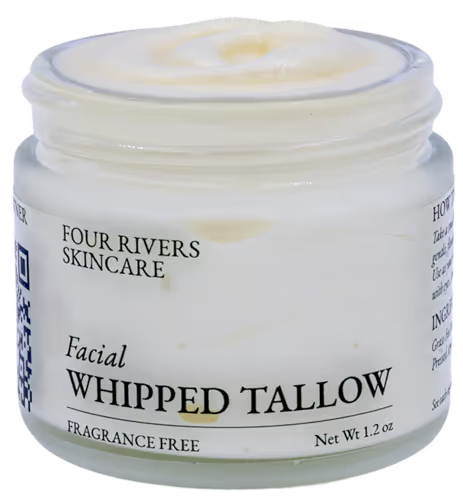
Any scent, whether from essential oils or synthetic fragrance, is a potential trigger. Our Fragrance-Free Facial Whipped Tallow contains absolutely no fragrance compounds, making it the only option worth considering for perioral dermatitis.
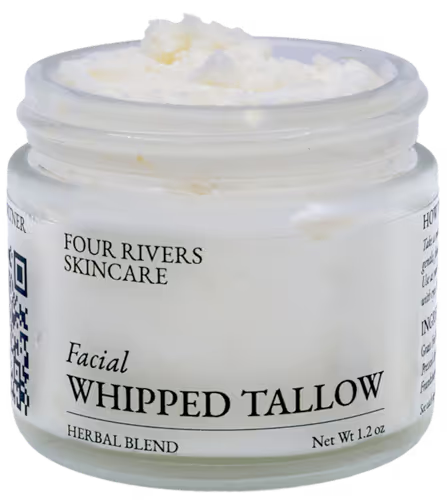
Products with essential oils, even calming ones like lavender, are too risky for this condition. The minimal ingredients should be: tallow and perhaps one or two pure, unfragranced oils for texture.
Purity is Critical
For perioral dermatitis, the quality and purity of tallow matter enormously. Improperly rendered tallow with trace proteins or impurities could trigger reactions.
Grass-fed tallow from reputable sources that specialize in skincare-grade rendering provides the cleanest, purest product. Our article on why tallow source matters explains these quality differences in detail.
Minimal Supporting Ingredients
While pure tallow could theoretically work, it's quite heavy to apply. Properly formulated tallow skincare includes minimal supporting ingredients to create a workable texture. For perioral dermatitis, these supporting ingredients should be as simple and pure as possible.
Argan oil and rosehip oil, which are included in our fragrance-free formulation, are relatively low-risk additions that improve texture while adding vitamins. Avoid formulations with multiple botanical oils or extracts.
What Not to Use with Perioral Dermatitis
Knowing what to avoid is as important as knowing what might help.
Avoid Topical Steroids
Topical steroids can initially seem to help perioral dermatitis by reducing inflammation, but they're actually one of the most common causes and perpetuators of the condition. Never use over-the-counter hydrocortisone or prescribed topical steroids on perioral dermatitis unless specifically directed by a dermatologist who's treating a different confirmed condition.
Steroid use can make perioral dermatitis significantly worse and harder to resolve.
Avoid Heavy Creams and Ointments
Thick, occlusive products like petroleum jelly, heavy night creams, or rich barrier creams can worsen perioral dermatitis. Even though these products help other conditions, they're often triggers or perpetuators for perioral dermatitis.
Avoid "Active" Skincare
Retinoids, AHAs, BHAs, vitamin C serums, niacinamide, and other active ingredients have no place in a perioral dermatitis healing routine. Save these for after your skin has completely healed and you've maintained that healing for several months.
Avoid Sodium Lauryl Sulfate
SLS in cleansers can irritate and dry skin, potentially worsening perioral dermatitis. Use the gentlest possible cleanser, or just rinse with water if your dermatologist approves this approach.
Avoid Makeup on Affected Areas
Makeup can clog the follicles and create an occlusive environment that worsens perioral dermatitis. It's frustrating because the rash makes you want to cover it, but makeup typically makes the condition worse.
If you must use makeup, mineral powders are generally better tolerated than liquid foundations, but complete avoidance during healing is ideal.
The Role of Prescribed Treatments
Tallow isn't a substitute for medical treatment of perioral dermatitis. Understanding prescribed options helps put tallow's role in context.
Oral Antibiotics
The most common medical treatment for perioral dermatitis is oral antibiotics, typically tetracycline-class medications like doxycycline or minocycline. These work not primarily as antibiotics but as anti-inflammatory agents.
Treatment usually lasts 6-12 weeks, sometimes longer for stubborn cases. Research in the Journal of the American Academy of Dermatology shows that oral antibiotics combined with discontinuation of topical steroids and heavy moisturizers is the most effective treatment approach.
Topical Antibiotics or Anti-Inflammatories
Some dermatologists prescribe topical metronidazole, azelaic acid, or pimecrolimus for perioral dermatitis. These can help reduce inflammation without the steroid-dependency issues.
If you're using prescribed topical treatments, apply them first on clean skin, then wait for them to fully absorb before applying any moisturizer.
The Importance of Following Through
Perioral dermatitis treatment requires patience. The rash may initially worsen when you stop using steroids or heavy moisturizers. It can take weeks or even months to fully resolve.
Following your dermatologist's treatment plan completely, even when it's uncomfortable or when progress seems slow, gives you the best chance of resolving the condition.
Building a Minimal Routine for Perioral Dermatitis
A complete approach to managing perioral dermatitis prioritizes simplicity and patience.
During Active Perioral Dermatitis
Morning:
- Rinse face with lukewarm water (no cleanser on affected areas)
- Pat dry very gently
- Apply prescribed treatments if any
- Consider leaving face bare or applying absolute minimum tallow if dermatologist approves
Evening:
- Gently rinse face with lukewarm water
- Pat dry
- Apply prescribed treatments if any
- Leave bare or apply minimal tallow if approved
The key: Do as little as possible. Every product is a potential trigger. Embrace the discomfort of dryness rather than risk perpetuating the rash.
After Healing
Once perioral dermatitis has fully resolved, gradually reintroducing products requires care.
Wait at least a month of clear skin before trying anything beyond your minimal routine. When you do add products, introduce them one at a time with weeks between additions so you can identify triggers if the condition returns.
Many people find they need to maintain a simpler skincare routine indefinitely to prevent recurrence. Avoiding the heavy products that initially triggered perioral dermatitis is often necessary long-term.
Lifestyle Factors That Support Healing
Beyond minimal skincare, certain lifestyle adjustments support perioral dermatitis recovery.
Identify and Avoid Triggers
Beyond topical products, other triggers can contribute to perioral dermatitis:
- Fluoridated toothpaste (switch to fluoride-free during treatment)
- Cinnamon-flavored foods or gum (common trigger)
- Heavy makeup on affected areas
- Drooling during sleep (keep face dry)
Manage Stress
Like many skin conditions, perioral dermatitis can flare with stress. While you can't eliminate stress, stress management techniques support overall healing.
Support Gut Health
Some practitioners believe gut health plays a role in perioral dermatitis, though research is limited. If you have digestive issues alongside skin problems, addressing gut health with your doctor may be worthwhile.
Avoid Irritating Environmental Factors
Wind, extreme cold, and harsh sunlight can irritate healing skin. Protect your face from extreme environmental conditions without using heavy products. A loose scarf in cold weather or a wide-brimmed hat in sun can provide physical protection.
Special Considerations for Different Age Groups
Perioral dermatitis can affect different age groups with specific considerations for each.
Young Women
Perioral dermatitis most commonly affects women in their 20s and 30s, often related to heavy use of moisturizers, makeup, and skincare products. For this group, the hardest part of treatment is often accepting that less is more and that the elaborate skincare routines promoted on social media may actually harm skin.
Children
When perioral dermatitis affects children, it's often related to drooling, pacifier use, or products parents apply thinking they're helping. For kids, zero therapy is usually most appropriate, with extreme caution about any products including tallow.
Pregnant or Nursing Women
Hormonal changes during pregnancy or nursing can trigger perioral dermatitis. The challenge is that treatment options are limited, as many oral antibiotics aren't safe during pregnancy. Minimal skincare with gentle, simple products becomes even more important.
If you're pregnant or nursing and considering tallow for perioral dermatitis, discuss it with both your dermatologist and obstetrician.
When Perioral Dermatitis Doesn't Improve
If you've tried zero therapy, oral antibiotics, and minimal skincare but perioral dermatitis persists, several possibilities exist.
Misdiagnosis
Conditions that can look similar to perioral dermatitis include rosacea, acne, seborrheic dermatitis, and contact dermatitis. If treatment isn't working, your dermatologist may need to reconsider the diagnosis.
Continued Trigger Exposure
Sometimes people unknowingly continue using triggering products. Common hidden sources include:
- Lip balm or lipstick
- Fluoride toothpaste
- Inhaled corticosteroids for asthma (can deposit around mouth)
- Face masks or equipment that contacts the mouth area
- Partner's products transferring during sleep
Underlying Health Issues
Occasionally, persistent perioral dermatitis-like symptoms indicate other health problems. Gut issues, hormonal imbalances, or immune dysfunction might require investigation if the rash won't resolve.
Hope and Patience for Healing
Perioral dermatitis is one of the more frustrating skin conditions because the treatment (doing less, using less) feels wrong when your instinct is to do more to help your skin.
But for many people, embracing minimal skincare and breaking the product-dependency cycle results in complete healing. It requires patience, as improvement often takes weeks or months, not days. It requires discipline, as you must resist the urge to apply heavy products when skin feels uncomfortable.
If you need some minimal moisture during healing, tallow's ultra-simple composition makes it one of the few options worth careful consideration under your dermatologist's guidance. Our Fragrance-Free Facial Whipped Tallow offers the simplicity that perioral dermatitis demands: just four ingredients with no fragrance, no irritants, no potential triggers.
Remember: perioral dermatitis requires medical management. While gentle, minimal skincare can support healing, prescribed treatments are often necessary to resolve the inflammatory component. Work with your dermatologist to develop a comprehensive treatment plan that includes both appropriate medical treatment and the minimal skincare approach this unique condition demands.
Your skin will heal. It requires patience, discipline, and a willingness to do less rather than more. Understanding how ultra-minimal products like carefully chosen tallow might fit into a healing protocol puts you in control of one aspect of managing this challenging but resolvable condition.