.jpg)
.jpg)
.jpg)
Beef Tallow for Rosacea: Gentle Moisturizing Without Triggering Flare-Ups
If you have rosacea, you know the constant anxiety of trying new skincare products. Will this cream make your cheeks flare bright red? Will that serum trigger burning or stinging? Will the moisturizer you desperately need actually make things worse?
Rosacea turns skincare into a minefield. Your skin is perpetually dry and sensitive, crying out for moisture, yet most moisturizers contain something that sets off your reactive skin. Fragrances, preservatives, plant extracts that are fine for normal skin, even ingredients marketed as "calming" can paradoxically trigger the redness and inflammation you're trying to avoid.
You need moisture, but you need it in the simplest, gentlest possible form. This is where beef tallow's unique properties become relevant for people dealing with rosacea.
Tallow isn't a cure for rosacea. No moisturizer is. But for many people with this frustrating condition, tallow provides the moisture their skin needs without the reactive triggers that other products contain. Let's explore why this traditional ingredient might be worth considering for your sensitive, rosacea-prone skin.
Understanding Rosacea's Unique Challenges
Before discussing how tallow might help, it's important to understand what makes rosacea so difficult to manage from a skincare perspective.
What's Actually Happening with Rosacea
Rosacea is a chronic inflammatory skin condition that primarily affects the face. According to the National Rosacea Society, it affects over 16 million Americans and often begins with a tendency to flush or blush more easily than others.
The condition typically progresses through stages, from temporary flushing to persistent redness, visible blood vessels, bumps and pimples (though it's not acne), and in advanced cases, skin thickening. Research published in the Journal of the American Academy of Dermatology suggests rosacea involves complex interactions between immune system dysfunction, vascular abnormalities, and skin barrier impairment.
The Skincare Dilemma
People with rosacea face a frustrating paradox. Their skin barrier is often compromised and dry, desperately needing moisture and protection. But the reactive nature of rosacea means most moisturizers trigger exactly what you're trying to avoid: redness, burning, stinging, and inflammation.
Common triggers in skincare products include:
- Fragrances (synthetic and natural)
- Alcohol
- Witch hazel
- Menthol, peppermint, and eucalyptus
- Essential oils (even "calming" ones like lavender can trigger some people)
- Preservatives like parabens
- Sodium lauryl sulfate
- Many botanical extracts, even gentle ones
The American Academy of Dermatology emphasizes that people with rosacea need extremely gentle skincare with minimal ingredients, but finding such products can be challenging when most skincare contains multiple potential triggers.
Why Conventional Moisturizers Often Fail
Many moisturizers, even those marketed for sensitive skin, contain emulsifiers, thickeners, and preservatives that can irritate rosacea-prone skin. Water-based lotions require these additives to stay stable and pleasant to use, but each additional ingredient is a potential trigger.
Even "natural" or "organic" products can be problematic. Plant extracts, while beneficial for many people, can cause reactions in rosacea-affected skin. Essential oils, even in small amounts, are common triggers.
Why Tallow's Properties Matter for Rosacea
Tallow's characteristics make it potentially suitable for the unique challenges of rosacea-prone skin.
Extreme Simplicity
The biggest advantage tallow offers for rosacea is what it doesn't contain. Pure, properly rendered beef tallow is a single ingredient. No emulsifiers, no preservatives, no fragrance, no plant extracts. Just fat.
For skin that reacts to nearly everything, this simplicity can be transformative. There's nothing in pure tallow to trigger the inflammatory cascade that causes rosacea flare-ups.
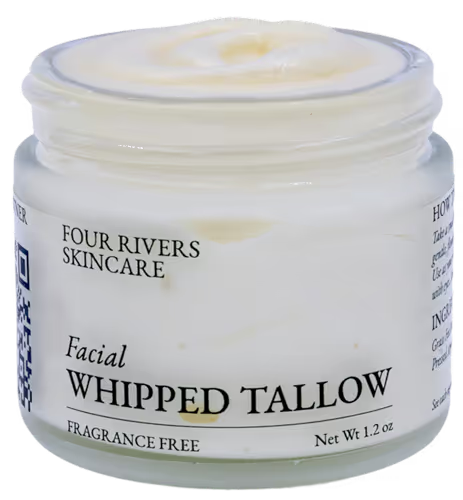
Our Fragrance-Free Facial Whipped Tallow contains only four ingredients: grass-fed tallow, argan oil, rosehip oil, and vitamin E. This minimal formulation provides the richness needed for dry rosacea skin without unnecessary potential triggers.
Anti-Inflammatory Fatty Acids
Grass-fed beef tallow contains conjugated linoleic acid (CLA), a fatty acid with demonstrated anti-inflammatory properties. Research published in Lipids has shown that CLA can help modulate inflammatory responses.
While topical CLA research specifically for rosacea is limited, the anti-inflammatory potential is relevant for a condition rooted in inflammation. Providing the skin with naturally anti-inflammatory lipids while moisturizing makes sense for managing sensitive, inflamed skin.
Barrier Support Without Irritation
As explored in detail in our article on tallow for eczema and psoriasis, tallow's fatty acid profile closely matches human skin lipids. This compatibility means tallow can support barrier function without introducing foreign compounds that might trigger reactions.
Research in the International Journal of Cosmetic Science has demonstrated that lipids matching the skin's natural composition integrate better and provide more effective barrier support than randomly selected moisturizing compounds. For rosacea-affected skin with an already compromised barrier, this compatibility can help strengthen protection against environmental triggers.
Gentle Vitamins in Bioavailable Forms
Quality grass-fed tallow naturally contains vitamins A, D, E, and K. These aren't synthetic additives; they're inherent to properly sourced animal fat.
For rosacea, certain vitamins are particularly relevant. Vitamin E provides antioxidant protection without irritation. Natural vitamin A supports skin health more gently than synthetic retinoids (which are often too harsh for rosacea-prone skin). Vitamin K may help with the redness associated with visible blood vessels.
These vitamins are in their natural, fat-soluble forms, which tends to be gentler than synthetic versions often used in conventional skincare.
What People with Rosacea Report
We can't claim that tallow treats or cures rosacea, but we can share what people dealing with this condition report when they try simple, tallow-based moisturizers.
Reduced Daily Reactivity
Many people with rosacea describe their skin as calmer when using tallow. The constant low-level irritation and reactivity that characterizes rosacea seems to settle down. Their skin still reacts to major triggers (heat, stress, alcohol, spicy food), but the baseline level of redness and sensitivity decreases.
This makes sense if you consider that many conventional moisturizers contain mild irritants that people with rosacea react to chronically. Removing those irritants by switching to ultra-simple tallow allows the skin to calm down.
Adequate Moisture Without Stinging
A common theme is that tallow provides the deep moisture rosacea-dry skin needs without the burning or stinging that so many other products cause. The rich lipids penetrate and moisturize without triggering the nerve sensitivity that makes many products uncomfortable for rosacea-affected skin.
Better Tolerance of Environmental Stressors
When the skin barrier is stronger and well-moisturized, it's better protected against environmental triggers like cold wind, dry air, or air conditioning. People report that their skin tolerates these stressors better when consistently moisturized with gentle, barrier-supporting products like tallow.
Fewer Reactive Episodes
While individual results vary greatly, some people with rosacea report fewer flare-ups or less severe reactions when they switch to extremely simple skincare centered around tallow. By removing potential triggers and supporting the barrier, they create conditions where their reactive skin has fewer opportunities to react.
How to Introduce Tallow to Rosacea-Prone Skin
If you have rosacea and want to try tallow, extreme caution and patience are essential.
Patch Test First, Always
Never apply any new product to your entire face, no matter how simple or gentle it's supposed to be. Choose a small area (behind your ear or on your jawline), apply a tiny amount, and observe for 24-48 hours.
If there's no reaction, try a slightly larger area on one cheek for another 2-3 days. Only if you tolerate it well should you expand to your full face.
Yes, this process is slow and frustrating. But for rosacea, rushing introduces unnecessary risk.
Start with Tiny Amounts
Rosacea skin can react to quantity as much as to ingredients. Even a gentle product can trigger flushing if you apply too much. Start with less than you think you need. A rice-grain-sized amount for your entire face might be enough initially.
You can always add more as you learn how your skin responds, but you can't undo a reaction from using too much.
Apply to Cool Skin
Heat is a common rosacea trigger. If you apply any product immediately after a hot shower or when your face is flushed, you might trigger a reaction even to a gentle product.
Let your face cool completely after cleansing before applying tallow. Some people even find it helpful to splash their face with cool water first, pat it just damp, then apply moisturizer.
Use Gentle Pressure
Rubbing and friction can trigger rosacea flushing. Apply tallow with the lightest possible pressure. Dot it gently on your face and let it melt from body heat, then spread it with barely-there touches. Think of it as placing the product rather than rubbing it in.
Keep Everything Else Minimal
When trying any new product for rosacea, keep the rest of your routine as simple and stable as possible. Don't introduce multiple new products at once, as you won't know what's helping or hurting.
The ideal test environment is: gentle cleanser you know you tolerate, tallow, and nothing else (except prescribed rosacea treatments if you're using them).
Choosing the Right Tallow Formulation for Rosacea
Not all tallow products are created equal, and for rosacea, specific considerations matter.
Fragrance-Free is Essential
Even if you don't typically consider yourself sensitive to fragrance, if you have rosacea, fragrance-free is the safest choice. Essential oils, even those considered calming like lavender or chamomile, are common rosacea triggers.
Our Fragrance-Free Facial Whipped Tallow contains no essential oils or fragrances whatsoever, making it the safest option for reactive rosacea skin.
Quality of Source Matters
For sensitive skin, purity is paramount. Grass-fed tallow from properly raised animals has fewer potential contaminants than conventional tallow. The rendering process must be meticulous to remove any proteins or impurities that might trigger reactions.
Our article on why tallow source matters explains how sourcing and processing affect final product quality.
Texture Considerations
Pure tallow can be quite heavy, which some rosacea skin tolerates well and others find too rich. Properly whipped tallow with complementary lightweight oils provides richness without overwhelming reactive skin.
The oils added to tallow also matter. For rosacea, avoid formulations with potentially irritating oils. Argan and rosehip are generally well-tolerated and add beneficial vitamins without common trigger compounds.
What to Combine with Tallow for Rosacea
Tallow works best as part of an extremely gentle, minimal routine designed specifically for rosacea's challenges.
Gentle Cleansing is Critical
Harsh cleansers can trigger rosacea as much as irritating moisturizers can. According to the National Rosacea Society, people with rosacea should use mild, non-foaming cleansers and avoid scrubbing.
Many people with rosacea find that oil cleansing or cream cleansing works better than traditional soap-based cleansers. Some even find that just rinsing with water in the morning is sufficient, saving full cleansing for evening.
Lukewarm Water Only
Hot water is a major rosacea trigger. Use lukewarm or even cool water for cleansing. Yes, it's less comfortable, but it's also much less likely to trigger flushing and redness.
After cleansing, let your face cool to room temperature before applying tallow.
Mineral Sunscreen
Sun exposure is one of the most common rosacea triggers. Physical (mineral) sunscreens with zinc oxide or titanium dioxide are generally better tolerated than chemical sunscreens by people with rosacea.
Apply sunscreen after tallow has fully absorbed. If your sunscreen contains potential irritants (which many do), the tallow layer underneath may provide some buffering protection.
Prescribed Treatments as Directed
If your dermatologist has prescribed medications for rosacea, continue using them as directed. Common prescriptions include metronidazole, azelaic acid, or ivermectin cream. Tallow doesn't replace these; it complements them by providing gentle moisture.
Ask your dermatologist about the correct order of application. Generally, prescribed treatments go first, then moisturizer after the medication has absorbed.
Understanding Realistic Expectations
It's crucial to have realistic expectations about what tallow can and cannot do for rosacea.
What Tallow May Provide
Gentle, effective moisturization: For dry rosacea skin that reacts to most moisturizers, tallow can provide needed hydration without triggers.
Barrier support: Stronger barriers are better protected against environmental and chemical triggers.
Reduced baseline reactivity: By removing irritating ingredients from your routine, your skin may become less reactive overall.
Comfortable, non-stinging moisture: Many people with rosacea struggle to find any moisturizer that doesn't sting. Tallow's simplicity often solves this problem.
What Tallow Cannot Do
Cure or treat rosacea: Rosacea is a chronic medical condition requiring professional management. Moisturizers don't treat the underlying cause.
Prevent all flare-ups: Major rosacea triggers (stress, heat, alcohol, spicy food, intense emotions) will still cause flushing and flare-ups.
Work for everyone: Some people with rosacea may not tolerate tallow, though reactions are rare given its simplicity.
Replace medical treatment: If you need prescription rosacea medications, tallow complements them but doesn't replace them.
Instantly eliminate redness: Persistent redness from visible blood vessels won't disappear with moisturizer. Some rosacea symptoms require medical procedures to address.
When Tallow Might Not Be the Right Choice
While tallow works well for many people with rosacea, certain situations call for different approaches.
If You React to Fat-Rich Products
A small percentage of people with rosacea find that very rich, fatty products trigger flushing or breakouts. If you know from experience that heavy creams and oils make your rosacea worse, tallow might not be your best option.
In this case, lighter options like jojoba oil or squalane might work better.
During Active Flare-Ups
If you're experiencing an acute rosacea flare-up with burning, stinging skin, sometimes the best approach is to use absolutely nothing except prescribed treatments until the flare subsides. Even gentle products can feel uncomfortable on acutely inflamed skin.
Wait until the acute phase passes, then reintroduce moisturizers carefully.
If You Have Concurrent Acne
Some people have both rosacea and acne (though they're different conditions and "rosacea acne" is actually inflammatory rosacea, not traditional acne). If you're dealing with both, you need to balance treating acne without triggering rosacea, which is complex.
Work with your dermatologist to develop a treatment plan that addresses both conditions. Tallow can potentially work as part of this plan, but professional guidance is essential for managing multiple skin conditions simultaneously.
Lifestyle Factors That Support Rosacea Management
While tallow can provide gentle moisture, managing rosacea effectively requires addressing triggers and supporting overall skin health.
Identify and Avoid Your Specific Triggers
Rosacea triggers vary by individual, but common ones include:
- Hot beverages and spicy foods
- Alcohol (especially red wine)
- Extreme temperatures
- Hot showers or baths
- Strenuous exercise (though moderate exercise is fine)
- Stress and strong emotions
- Certain skincare ingredients
- Sun exposure
The National Rosacea Society recommends keeping a diary to identify your specific triggers. Once you know what sets off your rosacea, you can make informed decisions about avoidance.
Manage Stress
Research has shown strong connections between stress and rosacea flare-ups. While you can't eliminate stress completely, stress management techniques (meditation, adequate sleep, exercise, therapy) can help reduce rosacea severity.
Protect from Sun Damage
Sun exposure is one of the most common rosacea triggers. Daily sun protection with mineral sunscreen is crucial, even on cloudy days or when staying indoors near windows.
Consider Gut Health
Emerging research suggests connections between gut health and rosacea. Small intestinal bacterial overgrowth (SIBO) and H. pylori infection have been associated with rosacea in some studies. If you have digestive issues alongside rosacea, discussing this with your doctor may be worthwhile.
Building a Complete Rosacea-Safe Routine
A complete routine for rosacea combines minimal, gentle skincare with trigger avoidance and medical treatment when needed.
Morning Routine
- Rinse face with lukewarm water (or cleanse very gently if needed)
- Pat until just damp, not completely dry
- Apply prescribed morning treatments if any
- Apply small amount of tallow moisturizer with gentle patting motions
- Allow to absorb completely (5-10 minutes)
- Apply mineral sunscreen
Evening Routine
- Cleanse gently with lukewarm water and mild, non-foaming cleanser
- Let face cool to room temperature
- Pat until just damp
- Apply prescribed evening treatments if any
- Apply tallow moisturizer more generously than morning
Throughout the Day
If your skin feels dry or tight during the day, you can reapply a tiny amount of tallow. However, frequent application isn't usually necessary with rich moisturizers like tallow.
Working with Your Dermatologist
Rosacea management works best with professional guidance. Here's how to work effectively with your dermatologist.
Be Honest About Product Reactions
Keep detailed notes about what products you try and how your skin responds. If tallow helps, tell your dermatologist. If it doesn't, share that too. This information helps them guide your treatment more effectively.
Ask About Combining Tallow with Prescriptions
Some prescribed rosacea treatments can be drying. Ask your dermatologist if using tallow as a base moisturizer makes sense with your specific prescriptions. They can advise on the correct order and timing of application.
Report Changes in Symptoms
If your rosacea improves or worsens significantly, let your dermatologist know. Changes in symptoms might indicate need for adjusted treatment or could signal other issues that need evaluation.
Don't Replace Medical Treatment with Self-Care
While gentle skincare helps, moderate to severe rosacea typically requires medical treatment. Prescription medications target the underlying inflammatory and vascular components that moisturizers can't address.
Special Considerations for Rosacea Subtypes
Rosacea presents differently in different people, and skincare needs vary by subtype.
Erythematotelangiectatic Rosacea (Flushing and Persistent Redness)
This subtype involves frequent flushing and persistent redness with visible blood vessels. For this type, anything that increases blood flow to the face (heat, friction, certain ingredients) can worsen symptoms.
Apply tallow with extremely gentle pressure and make sure it's not too warm. Some people find slightly cooling the jar of tallow before application helpful.
Papulopustular Rosacea (Bumps and Pimples)
This subtype includes inflammatory bumps that can look like acne but aren't. While tallow's low comedogenic rating makes it suitable for most people, watch carefully for any increase in bumps when you start using it.
If you notice more breakouts, the formulation might be too rich for your particular skin. Consider lighter options or consult your dermatologist.
Phymatous Rosacea (Skin Thickening)
This subtype involves skin thickening, most commonly on the nose (rhinophyma). Moisturizers like tallow can keep the skin supple but won't reverse thickening, which typically requires medical or surgical treatment.
Ocular Rosacea (Eye Involvement)
When rosacea affects the eyes, causing irritation, dryness, and sensitivity, be extremely careful with any facial products. Avoid getting tallow near your eyes, and consult both a dermatologist and ophthalmologist for comprehensive treatment.
Finding Hope Despite Rosacea's Challenges
Living with rosacea is frustrating. The constant management, the unpredictable flare-ups, the restriction of foods and activities you enjoy, all add up to significant impact on quality of life.
But rosacea, while chronic, is manageable. Finding gentle, effective skincare that doesn't trigger your symptoms is a significant piece of that management. For many people with rosacea, tallow provides the moisture their dry, sensitive skin needs without the reactivity triggers that make most products problematic.
If you've struggled to find any moisturizer that doesn't make your rosacea worse, tallow's extreme simplicity and gentle composition might be worth careful trial. Start slowly, test thoroughly, and pay attention to how your unique skin responds.
Our Fragrance-Free Facial Whipped Tallow is specifically designed for maximum gentleness, containing only four carefully chosen ingredients. For skin that reacts to everything, this simplicity might finally provide the comfortable moisture you've been searching for.
Remember: rosacea requires professional management. Work with your dermatologist to develop a comprehensive treatment plan that addresses both symptoms and underlying causes. Gentle, effective moisturizers like tallow can be valuable parts of that plan, supporting your skin's health while you work with medical treatments to manage this chronic condition.
Your rosacea-prone skin deserves skincare that helps rather than harms. Understanding how ultra-simple, barrier-supporting products like tallow can provide moisture without triggers puts you in control of one important aspect of managing this challenging condition.