.jpg)
.jpg)
.jpg)
Tallow for Acne-Prone Skin: Breaking the "Oil-Free" Myth
If you have acne-prone skin, the advice you've heard a thousand times is clear: avoid oil. Use oil-free products. Choose lightweight, non-comedogenic formulations. Stay away from anything rich, heavy, or fatty.
So the idea of putting beef tallow, literal animal fat, on acne-prone skin sounds absurd. It goes against everything you've been told about managing breakouts. It seems like skincare suicide, a guaranteed way to make your acne worse.
But here's what might surprise you: for some people with acne-prone skin, particularly those whose acne is related to barrier dysfunction or whose skin has become dehydrated from harsh acne treatments, tallow can actually help rather than harm.
This doesn't mean tallow is right for everyone with acne. It's not a magic solution, and for some acne-prone skin types, it truly would be too heavy. But understanding why properly formulated tallow might benefit certain types of acne-prone skin can open up options you may have dismissed without consideration.
Let's explore the counterintuitive science behind using tallow for acne-prone skin and when this approach makes sense.
Understanding Different Types of Acne-Prone Skin
Not all acne is the same, and not all acne-prone skin responds to the same treatments. This distinction is crucial for understanding when tallow might help rather than harm.
Oily, Sebum-Overproducing Acne
This is the classic teenage acne: skin that produces excessive sebum, leading to clogged pores, blackheads, whiteheads, and inflammatory pimples. According to research published in the Journal of Clinical and Aesthetic Dermatology, this type of acne is driven by overactive sebaceous glands, often influenced by hormones.
For this type of acne, traditional oil-free advice makes sense. Adding more oil to already oily skin can potentially worsen the problem, though as we'll discuss, the type of oil matters enormously.
Dehydrated, Barrier-Compromised Acne
This type of acne often develops after aggressive treatment of oily acne. You've used harsh cleansers, strong actives, and oil-free products for so long that your skin barrier is damaged. Your skin is simultaneously oily and dehydrated, a frustrating combination where it produces excess sebum trying to compensate for the damaged barrier, but the skin itself lacks water and healthy lipids.
Research in the British Journal of Dermatology has shown that damaged skin barriers can contribute to acne by allowing bacteria to penetrate more easily and by triggering inflammatory responses. This type of acne often improves with barrier repair, not additional harsh treatment.
Adult Hormonal Acne
Adult acne, particularly in women, often relates to hormonal fluctuations rather than excessive oiliness. This type typically appears along the jawline and chin and may flare with menstrual cycles.
The National Institute of Arthritis and Musculoskeletal and Skin Diseases notes that adult acne skin can be relatively dry in some areas while breaking out in others. The treatment approach differs from teenage acne.
Fungal Acne (Malassezia Folliculitis)
This isn't true acne but a fungal infection that looks like acne. It presents as uniform small bumps and often worsens with typical acne treatments. The American Academy of Dermatology explains that fungal acne requires antifungal treatment, not acne treatment.
Understanding which type of acne you're dealing with is essential before considering whether tallow might help or harm.
Why the "Oil-Free" Approach Sometimes Backfires
The conventional wisdom to avoid all oils for acne-prone skin seems logical, but it's based on outdated understanding and doesn't account for how skin actually works.
The Dehydration-Oiliness Cycle
When you strip your skin of all oil using harsh, oil-free products, several things happen:
First, you damage the skin barrier. The lipid structure that protects skin becomes compromised. Then, your skin perceives this damage and responds by producing more sebum trying to repair and protect itself. So you end up with simultaneously dehydrated skin (lacking water and healthy barrier lipids) and oily skin (producing excess sebum).
This creates a cycle where the more you try to remove oil, the more oil your skin produces. Research in the International Journal of Cosmetic Science has demonstrated that maintaining a healthy lipid barrier can actually help regulate sebum production.
When Harsh Treatments Cause More Problems
Acne treatments like benzoyl peroxide, salicylic acid, and retinoids are effective for acne, but they're also drying and potentially irritating. When you combine these treatments with oil-free moisturizers that don't adequately support the barrier, you end up with irritated, inflamed, dehydrated skin that's still breaking out.
The American Academy of Dermatology acknowledges that proper moisturization is essential even for acne-prone skin, particularly when using drying treatments.
The Comedogenic Rating Oversimplification
The comedogenic rating system ranks ingredients from 0 (non-comedogenic) to 5 (highly comedogenic) based on their likelihood to clog pores. But this system is oversimplified and doesn't account for individual variation, formulation effects, or the difference between applying pure ingredients versus properly formulated products.
An ingredient with a rating of 2 (like tallow) is not universally pore-clogging. Whether it clogs pores depends on your individual skin, how it's formulated, and the overall health of your skin barrier.
Tallow's Unique Properties for Acne-Prone Skin
Understanding why tallow might work for some acne-prone skin requires looking at its specific characteristics.
Similarity to Human Sebum
As discussed extensively in our article about why our face formula won't break you out, tallow's fatty acid profile is remarkably similar to human sebum.
This similarity is key. When your skin receives lipids that match what it naturally produces, it may interpret this as having adequate oil and reduce its own overproduction. It's similar to how providing your body with adequate nutrition can reduce cravings; when your skin's needs are met, it doesn't need to overproduce.
Low Comedogenic Rating
Beef tallow has a comedogenic rating of 2, meaning it has a low likelihood of clogging pores. This is significantly lower than many plant oils that are popular in natural skincare:
- Coconut oil: 4 (moderately to highly comedogenic)
- Wheat germ oil: 5 (highly comedogenic)
- Flaxseed oil: 4 (moderately to highly comedogenic)
Compare this to:
- Jojoba oil: 2 (similar to tallow)
- Argan oil: 0 (non-comedogenic)
- Rosehip oil: 1 (very low comedogenic potential)
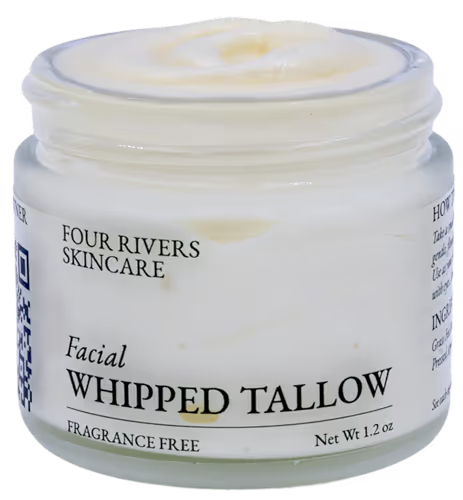
Our facial tallow formulations blend tallow with non-comedogenic oils like argan and rosehip, creating products with effectively lower comedogenic ratings than pure tallow alone.
Anti-Inflammatory Properties
Grass-fed beef tallow contains conjugated linoleic acid (CLA), which has demonstrated anti-inflammatory effects in research. While CLA is more studied when consumed orally, there's some evidence that topically applied anti-inflammatory fatty acids can help calm inflamed skin.
Acne is fundamentally an inflammatory condition. While tallow won't replace acne medications, providing anti-inflammatory support alongside active treatment makes theoretical sense.
Barrier Repair Without Heavy Occlusion
Unlike petroleum jelly or mineral oil (which have comedogenic ratings of 0 but can cause issues through different mechanisms), tallow doesn't create a completely occlusive seal that traps everything underneath. It provides barrier support and moisture while still allowing skin to breathe.
For acne-prone skin that needs barrier repair but can't tolerate heavy occlusive products, this balance can be helpful.
When Tallow Might Help Acne-Prone Skin
Tallow isn't appropriate for all acne-prone skin, but certain situations suggest it might be worth careful consideration.
After Aggressive Acne Treatment
If you've been using strong acne treatments (Accutane, high-strength retinoids, aggressive chemical peels) and your skin is left dry, flaky, and sensitive but still breaking out, your barrier is likely compromised.
Many people in this situation find that repairing the barrier with properly formulated, non-comedogenic moisturizers helps reduce both dryness and breakouts. When the barrier is healthy, skin is better able to defend against acne-causing bacteria and can tolerate acne treatments more effectively.
For Combination Skin
If you have combination skin where your cheeks are dry or normal but your T-zone is oily and prone to breakouts, you might benefit from using tallow on your dry areas and lighter products on oily zones.
Many people with combination skin find that properly moisturizing their dry areas helps balance overall skin function, reducing the need for skin to overproduce oil anywhere.
For Adult Hormonal Acne on Relatively Dry Skin
Adult hormonal acne doesn't always present with the oiliness of teenage acne. If your jawline and chin break out cyclically but your skin is otherwise relatively normal to dry, barrier-supporting moisture might help more than oil-stripping products.
When Plant Oils Have Caused Breakouts
Some people find that common plant oils marketed for acne-prone skin (tea tree oil, jojoba oil, rosehip oil) either don't help or actually cause more breakouts. This could relate to sensitivities to specific plant compounds or individual variation in what your skin tolerates.
If you've reacted to multiple plant oils but need moisture, tallow's simpler composition and animal origin might behave differently on your skin.
Alongside Prescription Treatments
If you're using prescription acne treatments that work well for your breakouts but leave your skin dry and irritated, you need a moisturizer that won't interfere with treatment effectiveness or cause additional breakouts.
Some people find that tallow's compatibility with skin lipids allows it to moisturize without reducing the effectiveness of their acne medications.
When Tallow Probably Won't Help (or Might Harm)
It's equally important to understand when tallow is not appropriate for acne-prone skin.
Very Oily Skin with Active, Severe Acne
If your skin is very oily and you're dealing with severe, inflammatory acne, tallow is probably too rich. Your skin doesn't need additional fat; it's producing plenty on its own.
In this case, lightweight, water-based, or gel moisturizers are more appropriate. Focus on medical treatment for the acne first, then consider richer moisturizers only if treatment leaves your skin dehydrated.
Fungal Acne
If you have fungal acne (Malassezia folliculitis), oils and fats can potentially feed the fungus and worsen the condition. Fungal acne requires specific antifungal treatment and a routine that minimizes oils.
If your "acne" consists of uniform small bumps that itch and worsen with oils, consult a dermatologist about the possibility of fungal infection.
During Active Cystic Breakouts
Cystic acne, with deep, painful nodules, requires medical treatment, not just skincare changes. While gentle moisture can help during treatment, cystic acne isn't primarily a barrier or moisture issue, so tallow won't address the root cause.
If You've Had Clear Reactions to Fats Previously
If you know from past experience that rich, fatty products cause you to break out, trust your skin's history. Some people genuinely cannot tolerate rich moisturizers, and that's okay.
How to Test Tallow for Acne-Prone Skin
If you have acne-prone skin and want to try tallow, extreme caution is necessary.
Start with a Patch Test
Apply a tiny amount of tallow to a small area on your jawline or cheek for 5-7 days. This area should be relatively clear (not actively breaking out). If no new breakouts develop in this test area, you can cautiously expand application.
If breakouts appear in the test area, tallow isn't right for your skin. That's valuable information, and you've learned it without compromising your entire face.
Use Minimal Amounts
If your patch test goes well, use tiny amounts. A single pea-sized amount for your entire face is probably enough, potentially even less.
Acne-prone skin doesn't need heavy application. The goal is barely-there moisture that supports your barrier without overwhelming skin that might still be producing adequate oil on its own.
Apply Strategically
Consider applying tallow only to dry areas (cheeks, around eyes) while avoiding your oiliest zones (typically T-zone: forehead, nose, chin).
Or use tallow only at night, when skin does most of its repair work, and use lighter options during the day.
Don't Layer Tallow Under Acne Treatments
If you're using topical acne medications, apply them to clean skin first. Wait for them to fully absorb (10-15 minutes), then apply minimal tallow only if your skin feels dry.
Don't layer tallow underneath acne treatments, as this could potentially reduce the treatment's ability to penetrate and work effectively.
Give It Time to Evaluate
Skin cell turnover takes about 28 days. A few new breakouts in the first week don't necessarily mean tallow is wrong for you; it might be purging or coincidence. But if after 2-3 weeks you're getting consistently more breakouts than before trying tallow, it's probably not right for your skin.
Choosing the Right Formula for Acne-Prone Skin
Not all tallow products are equal for acne-prone skin. Formulation matters enormously.
Opt for Lighter Blends
Pure tallow can be quite heavy. For acne-prone skin, formulations that blend tallow with non-comedogenic oils create lighter textures more suitable for skin that's producing some oil on its own.
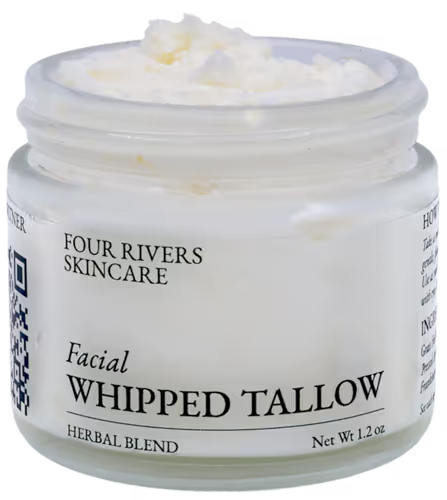
Our Coffee Facial Whipped Tallow combines tallow with coffee seed oil, which has antioxidant properties and a lighter feel than pure tallow.
Avoid Added Essential Oils if Uncertain
Some essential oils are comedogenic or irritating. For acne-prone skin, starting with fragrance-free formulations removes one potential variable that could cause problems.
Once you know your skin tolerates tallow, you might explore formulations with essential oils, but starting simple is safest.
Ensure Proper Sourcing and Processing
Quality matters for all skin types but especially for acne-prone skin. Improperly rendered tallow with impurities could clog pores or cause irritation.
Grass-fed tallow from reputable sources that specialize in skincare-grade product provides the cleanest, least likely to cause problems formulation. Our guide on tallow quality and sourcing explains why this matters.
Combining Tallow with Acne Treatments
If you decide tallow works for your acne-prone skin, integrating it with effective acne treatment creates the best results.
Tallow Doesn't Replace Acne Treatment
Tallow is a moisturizer, not an acne treatment. If you have acne, you likely need actual acne treatments (topical retinoids, benzoyl peroxide, salicylic acid, antibiotics, or prescription medications). Tallow can support your skin during treatment but won't clear acne on its own.
The Correct Layering Order
For morning routine:
- Cleanse gently
- Apply any water-based serums or treatments
- Apply acne medication
- Wait 10-15 minutes for absorption
- Apply minimal tallow if skin feels dry
- Apply sunscreen
For evening routine:
- Cleanse thoroughly but gently
- Apply any water-based treatments
- Apply prescription retinoid or other acne medication
- Wait 10-15 minutes
- Apply tallow if skin feels dry from treatments
Supporting Acne Treatment Success
Properly moisturized skin tolerates acne treatments better, meaning you can use them more consistently and at higher strengths if needed. When skin is constantly dry and irritated from treatments, many people reduce frequency or stop treatment entirely, allowing acne to return.
By supporting your barrier with appropriate moisture, you may actually improve your acne treatment results by improving your ability to stick with effective treatments.
Realistic Expectations for Tallow and Acne
Let's be clear about what tallow can and cannot do for acne-prone skin.
What Tallow Might Provide
Barrier repair: For compromised barriers contributing to acne, tallow may help restore healthy lipid structure.
Reduced dehydration: Properly moisturized skin may produce less excess oil trying to compensate for dryness.
Better treatment tolerance: Supporting the barrier may allow you to use acne treatments more effectively and consistently.
Balanced oil production: Some people find their skin becomes less oily when properly moisturized with compatible lipids.
Comfort during treatment: Acne treatments can be harsh. Appropriate moisture provides comfort without interfering with treatment.
What Tallow Cannot Do
Clear acne: Tallow is not an acne treatment. It won't address bacterial overgrowth, unclog pores, or stop inflammatory processes.
Work for everyone: Many acne-prone people will find tallow too rich or find it causes breakouts. Individual variation is huge.
Replace medical treatment: Moderate to severe acne requires actual acne medication. Moisture supports treatment but doesn't replace it.
Instantly balance oil production: If your skin benefits from tallow, changes develop over weeks, not days.
Prevent all breakouts: Even with proper skincare, hormones, stress, diet, and other factors influence acne.
Alternative Approaches for Acne-Prone Skin
If you try tallow carefully and it doesn't work for your acne-prone skin, many other options exist.
Lighter Natural Oils
Jojoba oil (also comedogenic rating 2) is a lightweight option that many acne-prone people tolerate well. It's similar to human sebum and may help regulate oil production without the richness of tallow.
Squalane (particularly plant-derived versions) is another lightweight, non-comedogenic option that provides moisture without heaviness.
Gel Moisturizers
Water-based gel moisturizers with ingredients like hyaluronic acid provide hydration without adding oil. For very oily, acne-prone skin, these might be more appropriate than any oil or fat-based moisturizer.
Minimalist Moisturizers
Sometimes the best approach for acne-prone skin is the most minimal one. If your skin is oily enough that it doesn't actually need external moisture, gentle cleansing and acne treatment without moisturizer might work best.
Many dermatologists note that some oily, acne-prone skin actually does fine with just treatment and no moisturizer, particularly in humid climates.
When to See a Dermatologist
If you're struggling with acne, professional evaluation and treatment provide the best results.
See a dermatologist if:
- Your acne is moderate to severe
- Over-the-counter treatments haven't helped after 3 months
- Your acne is leaving scars
- Your acne significantly affects your self-esteem or quality of life
- You're unsure what's causing your breakouts (it might not be acne)
- You have very oily skin and are considering rich products like tallow (get professional input)
A dermatologist can provide prescription treatments that target acne's root causes more effectively than any skincare product. They can also help you understand your specific type of acne and what moisturization approach makes sense for your case.
The Bottom Line on Tallow for Acne-Prone Skin
Using tallow for acne-prone skin is counterintuitive and won't be right for everyone. But for specific situations where barrier dysfunction contributes to ongoing breakouts, or where aggressive acne treatment has left skin dry and compromised, properly formulated tallow might provide the barrier support your skin needs to heal while managing acne.
The key is understanding your specific type of acne-prone skin, being willing to test carefully and patiently, and having realistic expectations about what moisturizer can and cannot do for acne.
If you're dealing with dehydrated but acne-prone skin, if plant oils have caused you problems, or if harsh acne treatments have left your barrier compromised, tallow might be worth careful consideration. Our lighter formulations like Coffee Facial Whipped Tallow provide barrier support without the heaviness of pure tallow.
Remember: acne requires actual acne treatment, not just skincare changes. Work with your dermatologist to develop a comprehensive treatment plan. Appropriate moisturization can support that treatment and help your skin tolerate it better, but it's not a replacement for medical management of moderate to severe acne.
Your acne-prone skin deserves moisture that supports rather than sabotages your treatment efforts. Understanding when tallow might help rather than harm puts you in control of making informed choices for your unique skin needs.