.jpg)
.jpg)
.jpg)
Tallow vs Coconut Oil for Face: Which Natural Moisturizer Is Actually Better?
If you've spent any time exploring natural skincare, you've probably encountered two ingredients that seem to be everywhere: beef tallow and coconut oil. Both have passionate advocates who swear by their moisturizing properties, and both have been used for centuries in various cultures. But when it comes to your face, which one actually delivers better results?
The answer isn't as simple as declaring one the winner. Your skin is unique, and what works beautifully for one person might cause problems for another. What matters is understanding the real differences between these two natural moisturizers so you can make the best choice for your specific needs.
Let's break down the science, the benefits, the potential drawbacks, and everything in between.
Understanding the Basics: What Are You Really Putting on Your Face?
Before we dive into comparisons, it's important to understand what these ingredients actually are.
Beef tallow is rendered fat from cattle, specifically from the area around the kidneys and loins (called suet). When properly rendered and purified, it becomes a smooth, creamy substance that's solid at room temperature but melts on contact with skin. The key is the source: grass-fed beef tallow contains a different nutrient profile than grain-fed varieties, with higher levels of beneficial compounds like conjugated linoleic acid (CLA) and vitamins A, D, E, and K.
Coconut oil comes from the meat of mature coconuts. It's extracted through various methods, with virgin coconut oil (cold-pressed) generally considered superior to refined versions. Like tallow, it's solid at cooler temperatures and liquefies when warmed.
Both are natural, single-ingredient moisturizers. Both have been used traditionally for skin health. But their chemical compositions tell very different stories about how they interact with your skin.
The Fatty Acid Showdown: Why Composition Matters
The effectiveness of any moisturizer depends largely on its fatty acid profile. These molecules determine how well the product absorbs, how long it provides moisture, and how your skin barrier responds to it.
Tallow's Fatty Acid Profile
Beef tallow's fatty acid composition is remarkably similar to human sebum, the natural oil your skin produces. This similarity isn't a coincidence; it's why tallow has been used in skincare for thousands of years.
Tallow contains approximately:
- 50-55% saturated fats (palmitic and stearic acid)
- 40-45% monounsaturated fats (oleic acid)
- Small amounts of palmitoleic acid, a rare omega-7 fatty acid that's also present in youthful human skin
This profile closely mimics your skin's natural composition, which means your skin recognizes tallow as compatible and absorbs it readily. According to research published in the International Journal of Cosmetic Science, ingredients with fatty acid profiles similar to human sebum demonstrate superior skin barrier repair and hydration retention.
Coconut Oil's Fatty Acid Profile
Coconut oil has a distinctly different composition:
- Approximately 90% saturated fats
- Primarily lauric acid (45-50%)
- Significant amounts of myristic and capric acid
- Minimal unsaturated fats
This high saturation makes coconut oil very stable and resistant to oxidation, which is why it has a long shelf life. The lauric acid content provides antimicrobial properties that can be beneficial for some skin concerns. However, this composition is quite different from human sebum, which can affect how skin responds to it.
Absorption and Texture: The Feel-Good Factor
How a moisturizer feels on your skin matters. If it sits on the surface feeling greasy, you're less likely to use it consistently, no matter how beneficial it might be.
How Tallow Performs
Quality tallow melts at approximately 95-100°F, which is just below body temperature. When you apply it to your face, body heat causes it to melt immediately and absorb quickly. Most people find that properly whipped tallow facial moisturizer absorbs within 2-3 minutes, leaving skin soft without a greasy residue.
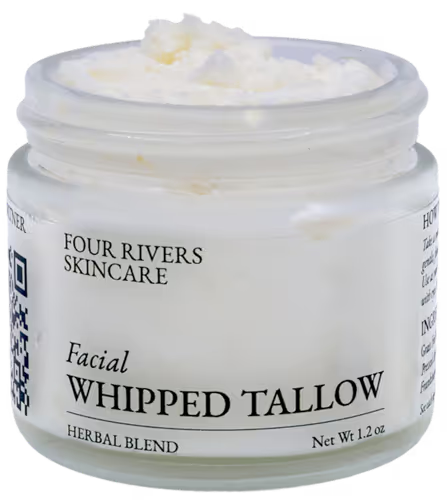
The texture of tallow can vary based on how it's processed. Raw tallow straight from rendering can feel heavy, which is why quality skincare companies whip their tallow with nourishing oils to create a lighter, more luxurious texture. Our Herbal Blend Facial Tallow combines grass-fed tallow with argan and rosehip oils, creating a balm that provides intensive moisture without overwhelming your skin.
How Coconut Oil Performs
Coconut oil melts at about 76°F, which means it's often liquid or semi-solid depending on room temperature. This can make it messier to work with. When applied to skin, coconut oil can take 5-10 minutes to fully absorb, and some people find it leaves a shiny, greasy feeling that persists.
The molecular structure of coconut oil's predominant fatty acids (medium-chain triglycerides) means they don't penetrate as deeply into the skin barrier as the fatty acids in tallow. This can result in more surface-level moisturization rather than the deeper nourishment that supports skin health long-term.
The Comedogenic Question: Will It Clog Your Pores?
This is often the first concern people raise about any facial moisturizer, and it's a valid one.
Tallow's Comedogenic Rating
Beef tallow has a comedogenic rating of 2 on a scale of 0-5, where 0 is non-comedogenic and 5 is highly likely to clog pores. A rating of 2 means it has a low likelihood of causing pore blockage, though everyone's skin responds differently.
However, the type of tallow matters significantly. Grass-fed tallow that's been properly rendered and filtered is less likely to cause issues than low-quality tallow with impurities. The formulation also matters: tallow blended with non-comedogenic oils like argan can actually have a lower effective comedogenic rating than tallow alone.
Many people with acne-prone skin report that quality tallow doesn't cause breakouts and may actually help balance oil production over time. This makes sense given tallow's similarity to sebum; when your skin receives adequate, compatible moisture, it may reduce its own oil production.
Coconut Oil's Comedogenic Rating
Coconut oil has a comedogenic rating of 4, which classifies it as moderately to highly comedogenic. This is one of the most significant drawbacks of using coconut oil on facial skin, particularly for anyone prone to breakouts.
The lauric acid that makes up about half of coconut oil's composition is particularly prone to clogging pores in acne-prone individuals. A study published in the Journal of Investigative Dermatology found that lauric acid can trigger inflammatory responses in skin prone to acne, potentially worsening breakouts.
That said, some people with normal to dry skin who aren't acne-prone use coconut oil on their faces without issues. But if you've struggled with acne or have oily skin, coconut oil on your face is generally a risk not worth taking.
Nutrient Density: What Your Skin Actually Receives
Natural moisturizers do more than just hydrate; they deliver nutrients that support skin health, repair, and regeneration.
Tallow's Nutritional Profile
Grass-fed beef tallow is rich in fat-soluble vitamins that your skin can actually use:
Vitamin A (Retinol): Supports cell turnover and skin renewal. Unlike synthetic retinoids, the vitamin A in tallow is in a natural form that's gentler and less irritating.
Vitamin D: Essential for skin barrier function and immune response. Many people are vitamin D deficient, and topical application can support skin health.
Vitamin E (Tocopherol): A powerful antioxidant that protects against environmental damage and supports skin healing.
Vitamin K: Important for skin healing, reducing dark circles, and supporting skin elasticity.
Conjugated Linoleic Acid (CLA): Found in significant amounts in grass-fed tallow, CLA has demonstrated anti-inflammatory and skin-protective properties in research.
These nutrients are present in their natural, bioavailable forms, which means your skin can use them effectively. Learn more about why tallow source matters when it comes to nutrient density.
Coconut Oil's Nutritional Profile
Coconut oil contains:
Vitamin E: Present in small amounts, though less than in tallow.
Lauric Acid: While primarily a fatty acid, lauric acid does have antimicrobial properties that can help fight certain types of bacteria on the skin.
Compared to tallow, coconut oil is less nutrient-dense. It's an effective occlusive moisturizer (meaning it prevents water loss from the skin surface), but it doesn't deliver the same range of skin-supporting nutrients.
Anti-Aging and Skin Repair: Long-Term Benefits
If you're choosing a facial moisturizer, you probably care about more than just short-term hydration. How do these ingredients perform for long-term skin health?
Tallow for Anti-Aging
The nutrient profile of grass-fed tallow makes it particularly beneficial for aging skin. The natural vitamin A content supports cell turnover, helping to reveal fresher skin beneath. The vitamin K helps improve skin elasticity and reduce the appearance of dark circles or age spots.
Additionally, tallow's fatty acid composition supports the skin's lipid barrier, which naturally weakens with age. A strong barrier means better moisture retention, which translates to plumper, more youthful-looking skin.
Studies on traditional skincare practices have found that animal fats like tallow have been used historically to maintain skin health and youthfulness, though modern research is still catching up to traditional wisdom in this area.
For those specifically focused on anti-aging, our Coffee Facial Whipped Tallow combines the anti-aging benefits of tallow with coffee seed oil, which provides additional antioxidants and skin-tightening properties.
Coconut Oil for Anti-Aging
Coconut oil's benefits for aging skin are more limited. Its primary contribution is as an occlusive moisturizer, helping to prevent transepidermal water loss (TEWL). Keeping skin hydrated does support a more youthful appearance.
The antioxidant content in coconut oil is minimal compared to other natural oils. While it won't harm aging skin (unless it causes breakouts), it also won't deliver the targeted anti-aging nutrients that other natural ingredients provide.
Different Skin Types, Different Needs
Your skin type should be a major factor in choosing between these ingredients.
For Dry Skin
Both tallow and coconut oil can work well for dry skin, but tallow tends to provide more lasting hydration because it works with your skin barrier rather than just sitting on top of it.
If you have severely dry skin, particularly in harsh weather, you might benefit from our Intensive Repair Whipped Tallow, which includes lanolin for additional barrier repair alongside grass-fed tallow.
Coconut oil can work for dry body skin, but for facial dryness, tallow's deeper penetration often produces better results.
For Oily or Combination Skin
This is where the differences become stark. Tallow, despite being an animal fat, often works better for oily skin than you might expect. Because it's similar to your skin's natural sebum, it can help balance oil production rather than overwhelming it.
Coconut oil, on the other hand, is generally not recommended for oily or combination skin types due to its high comedogenic rating and tendency to sit on the skin's surface.
For Sensitive Skin
Both ingredients can work for sensitive skin, but the choice depends on what causes your sensitivity.
If your skin reacts to synthetic ingredients, preservatives, or fragrances, both tallow and coconut oil offer single-ingredient simplicity. However, tallow's closer match to your skin's natural composition often means less potential for reaction.
If you're sensitive to coconut or tree nut products, tallow is the clear choice. Some people with tallow vs shea butter sensitivities find tallow to be their best option.
For Acne-Prone Skin
For anyone struggling with acne, tallow is generally the safer choice. While it seems counterintuitive to put animal fat on acne-prone skin, quality tallow's low comedogenic rating and sebum-similarity often make it helpful rather than harmful.
Coconut oil's high lauric acid content and comedogenic rating make it risky for acne-prone skin, despite its antimicrobial properties. The potential for clogged pores outweighs the bacterial-fighting benefits for most people.
Environmental and Ethical Considerations
For many people choosing natural skincare, sustainability and ethics matter.
Tallow's Environmental Profile
Beef tallow is a byproduct of the meat industry. Using it for skincare is actually a form of "nose-to-tail" utilization that prevents waste. Rather than this fat going unused, it's transformed into a valuable skincare ingredient.
When sourced from grass-fed, regeneratively raised cattle, tallow can actually be part of a more sustainable food system. Grass-fed cattle can improve soil health, sequester carbon, and support biodiversity when raised on well-managed pastures.
Of course, this depends entirely on sourcing. Low-quality tallow from factory-farmed cattle doesn't carry these benefits. This is why we're transparent about our sourcing and only use grass-fed beef tallow from cattle raised on pasture.
Coconut Oil's Environmental Profile
Coconut oil's sustainability story is more complicated. While coconuts are a plant-based resource, the demand for coconut oil has led to environmental concerns in some tropical regions. Large-scale coconut plantations can contribute to deforestation and biodiversity loss.
Additionally, coconut farming often involves significant labor concerns, with workers in some regions facing poor conditions and low wages.
Fair-trade, sustainably sourced coconut oil does exist, but it requires research to find reputable suppliers.
The Practical Reality: Cost and Availability
Let's address the practical considerations of incorporating these ingredients into your routine.
Tallow
Quality grass-fed tallow skincare is more expensive than coconut oil, and for good reason. The sourcing is more specialized, the rendering process requires skill and equipment, and small-batch production means less economy of scale.
However, a little goes a long way. Tallow is so rich that you typically need only a small amount per application. A 2oz jar of tallow facial moisturizer can last 2-3 months with daily use.
Availability is improving as more people discover tallow's benefits, but it's still more niche than coconut oil. You won't find quality tallow skincare in every store, which means purchasing from dedicated brands or making your own.
Coconut Oil
Coconut oil is inexpensive and available everywhere. You can pick it up at any grocery store, and a jar costs just a few dollars. This accessibility is one of its major advantages.
However, using a cooking ingredient on your face isn't quite the same as using a product formulated for skincare. Skincare-grade coconut oil should be unrefined, virgin, and stored properly to prevent contamination.
Making the Choice: Which Is Right for You?
After comparing these two ingredients across multiple dimensions, here's how to decide which is better for your face:
Choose tallow if:
- You have dry, mature, or sensitive skin
- You want deeper, longer-lasting hydration
- You're concerned about anti-aging
- You have oily or acne-prone skin and need a balancing moisturizer
- You value nutrient density in your skincare
- You're looking for something close to your skin's natural composition
- You prioritize grass-fed, regeneratively sourced ingredients
Choose coconut oil if:
- You have normal to dry skin that's not acne-prone
- You want an affordable, easily accessible option
- You prefer plant-based skincare for personal or ethical reasons
- You're using it primarily for body skin rather than facial skin
- You want the antimicrobial benefits of lauric acid
- Your skin has historically responded well to coconut oil
Consider using both if:
- You want tallow for your face and coconut oil for your body
- You're layering products and want coconut oil as an occlusive final step over tallow
- You're using jojoba oil vs tallow combinations for customized skincare
Beyond the Binary: There's Room for Both
While this article has focused on comparing these two ingredients, the reality is that skincare doesn't have to be an either-or proposition. Many people successfully use tallow on their faces and coconut oil on their bodies. Others might use tallow as their primary moisturizer and coconut oil for specific purposes like oil cleansing or hair care.
The key is understanding what each ingredient does well, where it falls short, and how your unique skin responds to it. Quality matters enormously, as does formulation. Pure coconut oil applied to the face is a very different experience than tallow that's been carefully rendered, whipped, and blended with complementary oils.
If you're curious about how animal fats vs plant oils compare more broadly in skincare, there's interesting science emerging that suggests our skin may be particularly compatible with certain animal-derived fats due to their similarity to human sebum.
The Science Is Personal
We've covered a lot of ground in this comparison, from fatty acid profiles to comedogenic ratings to environmental considerations. But perhaps the most important takeaway is this: your skin is the final authority.
You might read that coconut oil is highly comedogenic, but if your skin tolerates it beautifully, that's what matters for you. Conversely, even though tallow has a low comedogenic rating, a small percentage of people may find their skin prefers something else.
The advantage of natural, single-ingredient products is that they make it easier to identify what works for you. If you try quality beef tallow skincare and it transforms your skin, you'll know it's the tallow working. The same goes for coconut oil.
Start with what makes the most sense based on your skin type and concerns. Give it at least 2-4 weeks to see how your skin responds. Pay attention not just to immediate feel, but to longer-term changes in hydration, texture, and any skin issues you're trying to address.
Finding Your Perfect Moisturizer
Whether you choose tallow, coconut oil, or something else entirely, the goal is the same: healthy, balanced skin that feels comfortable and looks its best.
For those who want the nutrient density, skin compatibility, and long-term benefits that tallow provides, we've spent years perfecting our formulations. Each product combines grass-fed tallow with complementary ingredients chosen for specific skin needs:
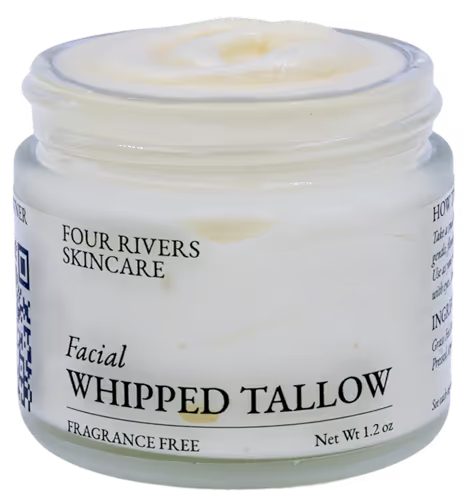
- Fragrance-Free Facial Tallow for sensitive skin
- Herbal Blend Facial Tallow with calming lavender, frankincense, and cedarwood
- Coffee Facial Tallow for anti-aging and brightening
Your face deserves ingredients that work with your skin, not against it. Understanding the real differences between natural moisturizers like tallow and coconut oil puts you in control of making the best choice for your unique needs.